There comes a point in life where many people begin to realize that hard work alone is not always enough. You can stay motivated, read books, set goals, and still feel stuck in the same patterns year after year. The frustrating part is that sometimes the problem is not your effort. The real issue often lives deeper beneath the surface — inside the subconscious mind.
This is why conversations around subconscious transformation and personal growth have become more important than ever. More people are starting to understand that lasting success does not begin externally. It begins internally.
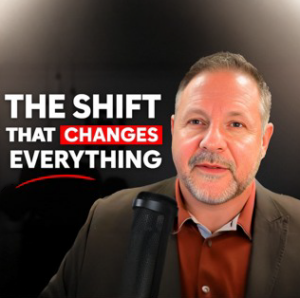
In a recent interview surrounding his new book Reprogramming Your Subconscious Mind: The SMG Method to Rapid Results, transformational coach Joseph Drolshagen explained how subconscious programming affects habits, behaviors, emotional reactions, and long-term success. What makes the discussion powerful is that it moves beyond simple motivation and focuses on practical methods people can apply in real life.
You can watch the original discussion here:
The core message is simple: if the subconscious mind is not aligned with the future you want to create, progress becomes harder no matter how motivated you feel.
Why Reprogramming Your Subconscious Mind for Self Rapid Growth Matters
Most people underestimate how much of life is controlled by subconscious behavior. Daily habits, emotional reactions, confidence levels, procrastination, fear, and even financial patterns are often tied to mental programming developed over many years.
The subconscious mind acts almost like an internal operating system. Once certain beliefs become deeply rooted, they begin influencing decisions automatically without conscious awareness.
This is why many people:
- repeat unhealthy habits,
- stay in toxic cycles,
- struggle with consistency,
- fear taking opportunities,
- or sabotage their own progress.
The mind becomes conditioned to stay familiar with old patterns.
Joseph Drolshagen’s SMG Method focuses on identifying these hidden patterns and replacing them with systems that support growth and long-term transformation.
Unlike temporary motivation, subconscious reprogramming focuses on changing the foundation itself.
The Connection Between Subconscious Mind Transformation and Daily Habits
One important point discussed in the interview is the role habits play in shaping outcomes. Most people try to force discipline through willpower, but lasting growth usually happens when behavior becomes natural instead of forced.
That shift starts internally.
When subconscious beliefs begin changing, habits start becoming easier to maintain because the mind no longer fights against the desired outcome.
For example:
- Someone struggling with confidence may unconsciously avoid opportunities,
- Someone afraid of failure may delay action,
- Someone conditioned around scarcity may resist growth.
This is where subconscious transformation becomes powerful.
According to research published by Harvard Business Review,
Human behavior is deeply influenced by repeated mental patterns and environmental conditioning. Sustainable personal growth often requires changing the underlying systems behind behavior rather than relying only on short-term motivation.
That idea aligns strongly with the SMG Method discussed in the book.
Reprogramming Your Subconscious Mind for Self Rapid Growth Through Vision
Another major concept highlighted in the conversation is the importance of developing what Joseph describes as a “dynamic vision.”
Many people have goals, but very few have a deeply emotional vision connected to those goals.
There is a difference.
Goals often focus on outcomes:
- more money,
- better health,
- business success,
- improved relationships.
Vision goes deeper. Vision creates emotional direction.
When the subconscious mind becomes emotionally connected to a future identity, the brain begins adjusting behavior patterns around that identity. This is one reason visualization techniques are commonly discussed in performance psychology and leadership coaching.
Mental visualization can influence behavioral consistency and performance outcomes when practiced repeatedly over time.
This does not mean success magically appears overnight. What changes is the internal alignment between thought patterns, emotional belief systems, and action.
How Negative Programming Blocks Rapid Personal Growth
One of the most relatable parts of subconscious mind work is recognizing how many limitations people carry unknowingly.
Negative programming often develops through:
- childhood experiences,
- Repeated failure,
- criticism,
- fear-based environments,
- social conditioning,
- rejection,
- emotional trauma,
- financial struggles,
- or unhealthy relationships.
Over time, these experiences quietly become internal beliefs.
Examples include:
- “I’m not good enough.”
- “Success is for other people.”
- “I always fail eventually.”
- “I can never stay consistent.”
- “I’m too late to change.”
Even when people consciously want success, these subconscious beliefs continue influencing behavior behind the scenes.
This creates internal conflict.
A person may want growth externally while internally still operating from fear, doubt, or limitation.
That conflict is one reason people often feel mentally exhausted despite working hard.

Reprogramming Your Subconscious Mind for Self Rapid Growth Using Systems
One thing that separates lasting transformation from temporary excitement is systems.
Motivation comes and goes. Systems create structure.
Joseph Drolshagen explained that part of the SMG Method involves developing systems and accelerated habits that support long-term consistency.
This matters because growth is rarely built from isolated actions. Most successful people succeed because they build routines that repeat positive outcomes consistently over time.
Examples of growth systems include:
- morning mindset routines,
- journaling,
- visualization practices,
- goal review systems,
- structured planning,
- health routines,
- focused learning habits,
- content creation consistency,
- accountability structures.
When these systems become part of everyday life, progress compounds gradually.
This is also why highly successful entrepreneurs and business leaders often emphasize routine and structure more than motivation alone.
High performers typically rely on consistent systems and disciplined routines rather than emotional motivation.
The subconscious mind responds strongly to repetition. The more positive systems become repeated consistently, the more natural they begin to feel internally.
How Reprogramming Your Subconscious Mind Creates Long-Term Change
One reason many people struggle with self-growth is that they focus only on surface-level improvement. They try to change routines without changing the internal belief systems connected to those routines.
This often creates temporary progress followed by frustration.
For example:
- Someone may start a business with excitement but subconsciously fear success,
- Someone may attempt self-improvement while still believing they are not worthy of growth,
- Someone may set financial goals while internally operating from scarcity and fear.
Eventually, the subconscious mind pulls behavior back toward what feels familiar.
This is why subconscious transformation is not simply about positive thinking. It is about creating internal alignment between:
- beliefs,
- emotions,
- actions,
- habits,
- and long-term identity.
Once this alignment begins happening, people often notice:
- increased confidence,
- better emotional control,
- stronger focus,
- improved consistency,
- reduced self-sabotage,
- and healthier decision-making.
The process is gradual, but the effects can become life-changing over time.
Reprogramming Your Subconscious Mind for Self Rapid Growth and Emotional Healing
Another important aspect of subconscious growth is emotional healing.
Many people carry emotional experiences that quietly influence their behavior for years. Fear, rejection, disappointment, trauma, criticism, and repeated failure can all create subconscious limitations that affect confidence and personal growth.
Without realizing it, people begin building protective behaviors around emotional pain.
Examples include:
- avoiding opportunities,
- procrastinating,
- overthinking decisions,
- fear of visibility,
- fear of failure,
- fear of judgment,
- or staying inside comfort zones.
Over time, these behaviors become automatic.
Subconscious reprogramming helps people identify these emotional patterns and gradually replace them with healthier internal responses.
This is one reason personal development and emotional awareness are strongly connected.
Mental resilience and emotional adaptability play major roles in long-term personal growth and behavioral change.
The goal is not perfection. The goal is to become more self-aware and intentional over time.
The Role of Consistency in Rapid Mindset Transformation
One of the biggest misconceptions about personal growth is believing transformation happens instantly.
In reality, the subconscious mind changes through repetition and consistency.
This is why daily habits matter so much.
Small actions repeated consistently often produce stronger results than temporary bursts of motivation.
Examples of consistent subconscious growth habits include:
- daily journaling,
- visualization,
- affirmations,
- gratitude exercises,
- reading,
- meditation,
- intentional planning,
- structured routines,
- and positive self-talk.
Over time these repeated actions begin creating new internal patterns.
The brain starts adapting to the new behavior.
According to research shared by the National Library of Medicine
habit formation develops through repeated behavioral patterns over time until actions become more automatic and mentally reinforced.
This is why consistency often matters more than intensity.
Reprogramming Your Subconscious Mind for Self Rapid Growth in Business
Mindset transformation is not only connected to personal development. It also plays a major role in business success.
Entrepreneurs often experience internal barriers that affect:
- leadership,
- confidence,
- risk-taking,
- communication,
- productivity,
- visibility,
- and long-term consistency.
Many businesses fail not because of a lack of knowledge, but because of mental limitations, fear-based decision-making, or inconsistency.
Joseph Drolshagen’s approach connects mindset transformation with practical business growth systems.
This combination is important because business success usually requires both:
- internal growth,
- and external execution.
For example:
- Mindset affects confidence,
- confidence affects action,
- action affects consistency,
- Consistency affects business growth.
Everything becomes connected.
This is why many successful entrepreneurs invest heavily in:
- coaching,
- personal development,
- mindset training,
- accountability,
- and leadership growth.
The internal state of a business owner often affects the direction of the business itself.

Final Thoughts on Reprogramming Your Subconscious Mind for Self Rapid Growth
Reprogramming your subconscious mind is not about becoming a completely different person overnight. It is about creating healthier internal systems that support the future you want to build.
The process requires:
- patience,
- consistency,
- self-awareness,
- emotional growth,
- and intentional action.
Real transformation happens gradually.
The good news is that the subconscious mind can adapt and evolve over time when new behaviors, thoughts, and systems are practiced consistently.
Joseph Drolshagen’s SMG Method highlights an important truth many people overlook:
lasting success is usually built internally before it becomes visible externally.
Whether someone is pursuing:
- personal healing,
- business growth,
- confidence,
- leadership,
- financial improvement,
- or emotional transformation,
the foundation often begins with changing the subconscious patterns influencing everyday life.
That is why subconscious growth is not just about motivation. It is about building an internal environment capable of supporting long-term success.
For more insights on mindset transformation and subconscious growth, you can explore.